Clean core + analog layer
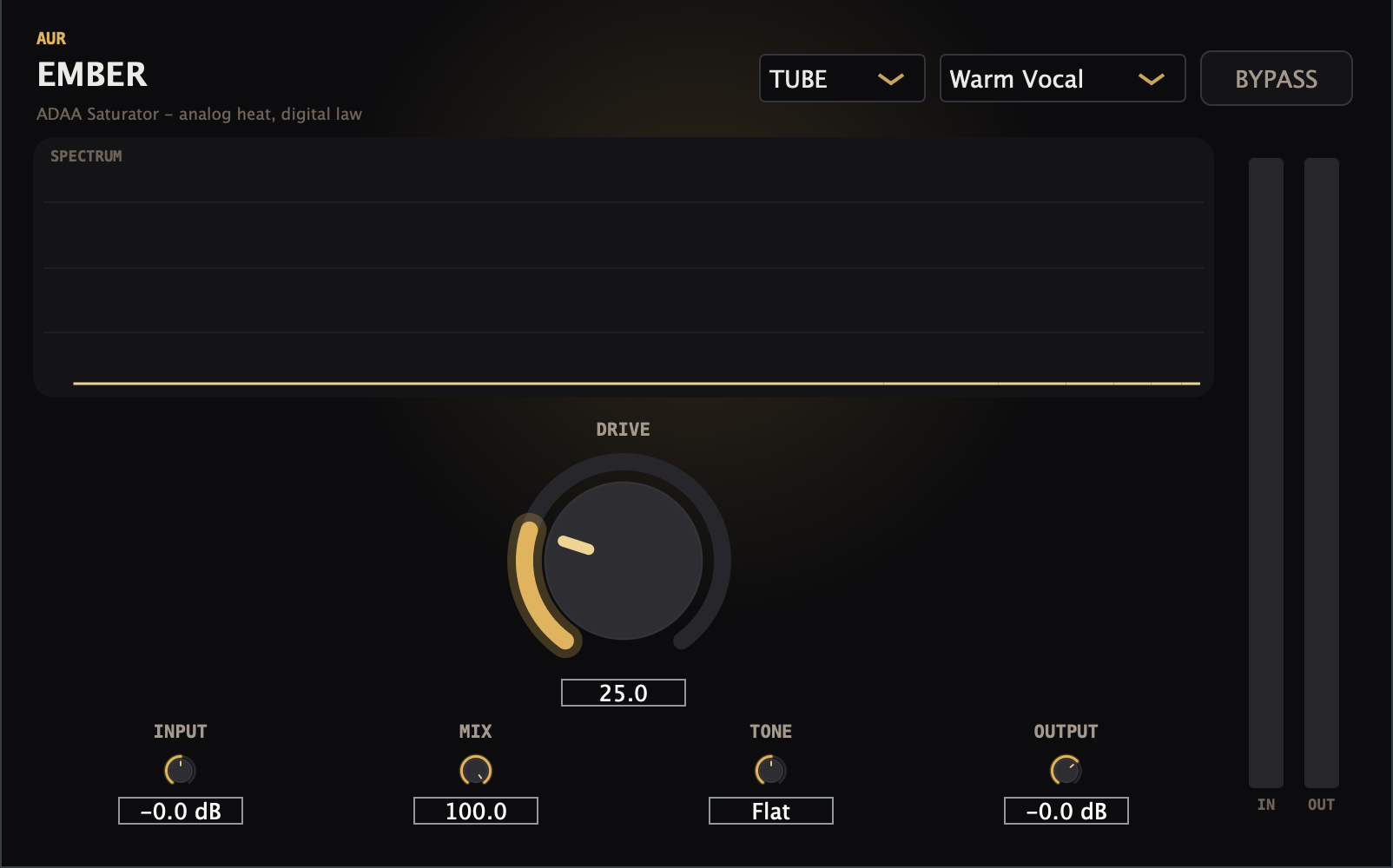
AUR's core idea is stated very precisely: first a clean ZDF/TPT core with correct phase, metering, and true-peak, then a dosable layer of character on top, with ADAA saturation, tube, tape, and “iron.”
 MAKSUTOV DESIGN

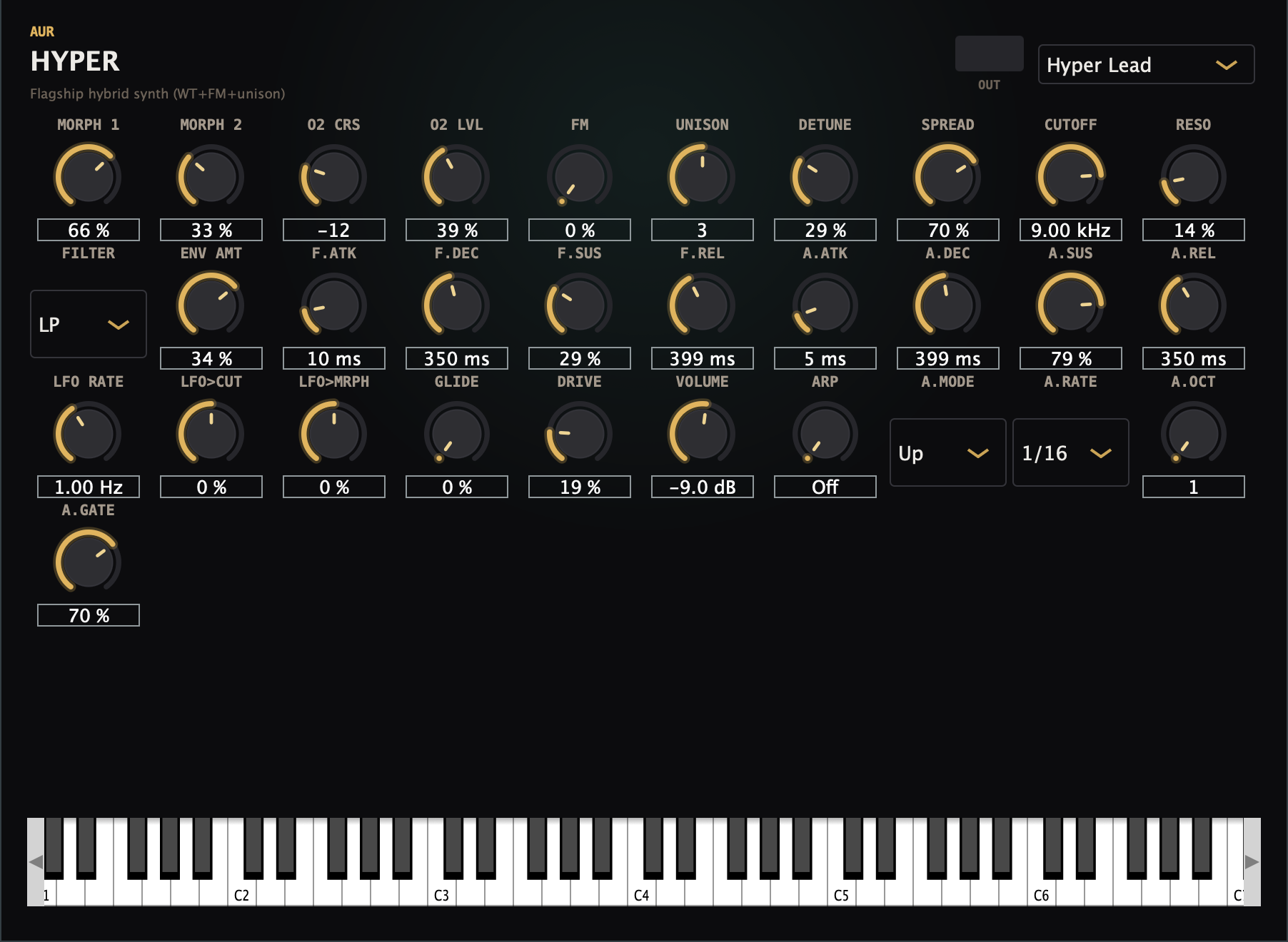
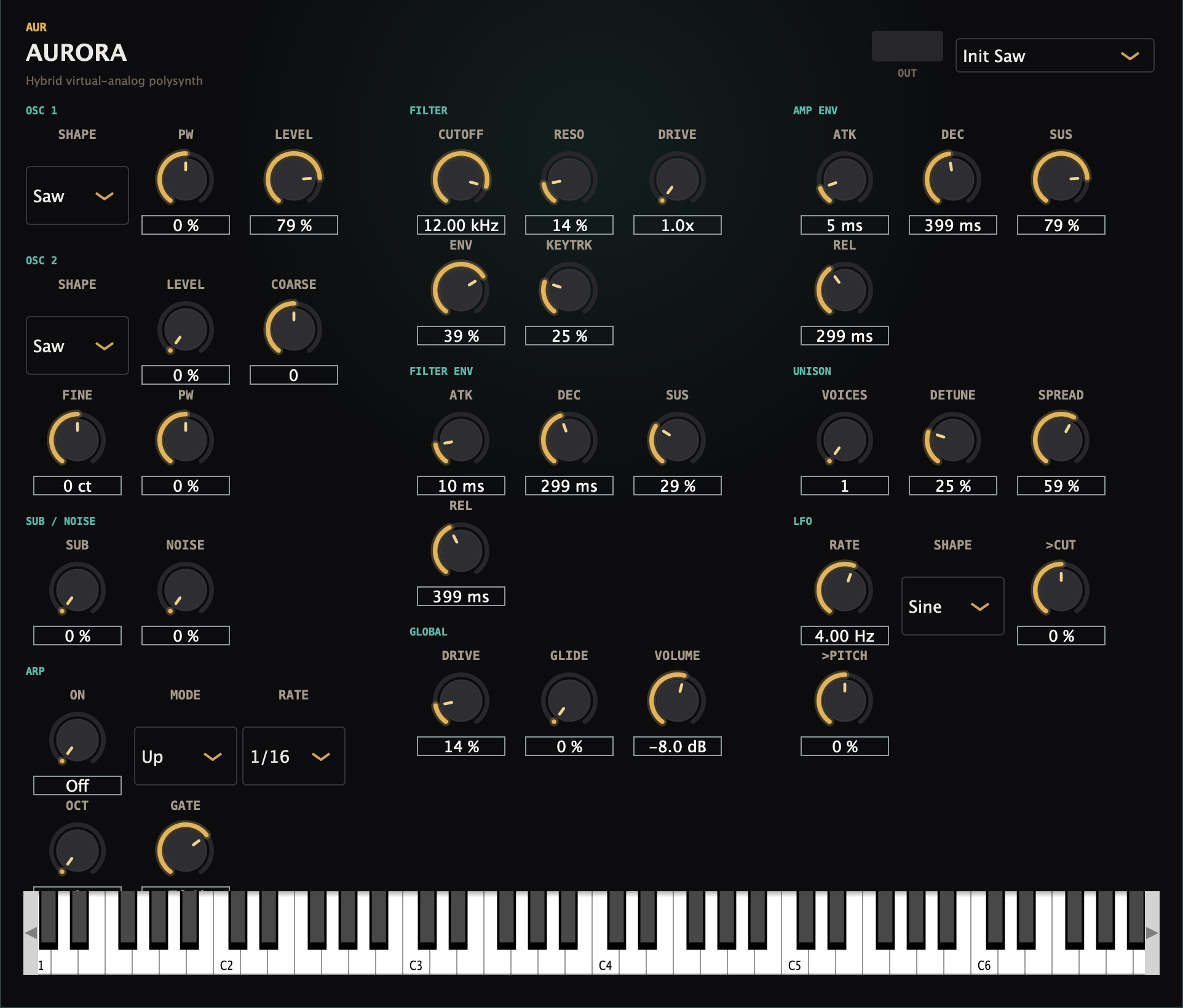
AUR is a large Aurveda Audio lineup: 31 effects and 23 instruments, built around one DSP engine and one UI system. The project is about sound, system, and packaging all at once: warm character without digital grime, a unified visual language, a shared build architecture, and a full library of modules for AU, VST3, and Standalone.
01 / scale
02 / concept
AUR's core idea is stated very precisely: first a clean ZDF/TPT core with correct phase, metering, and true-peak, then a dosable layer of character on top, with ADAA saturation, tube, tape, and “iron.”
The repository has a shared `AurvedaDSP` layer that's reused across modules. Thanks to this, the whole lineup keeps one sound language, and new products don't look like a randomly assembled set of plugins with different math.
03 / flagships
04 / architecture
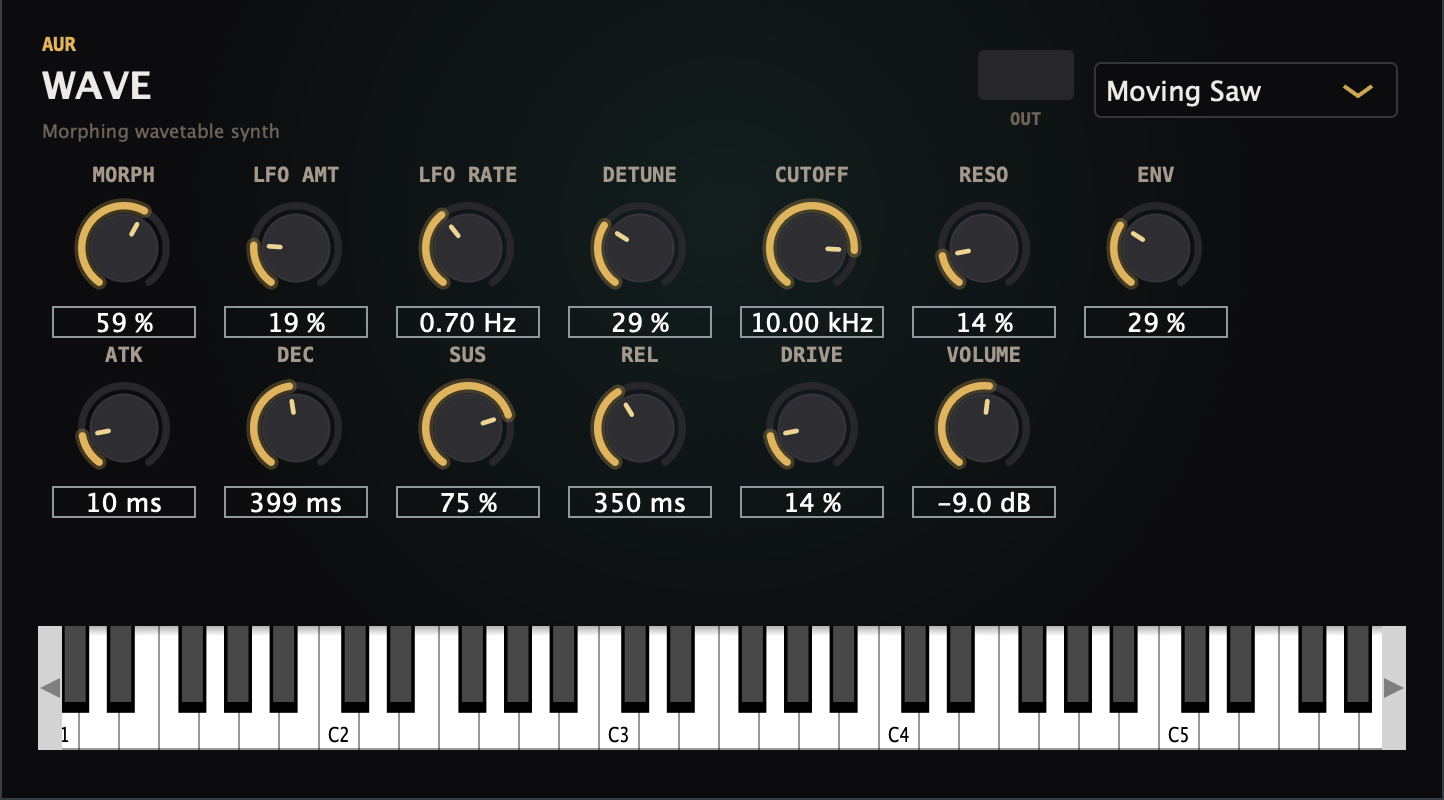
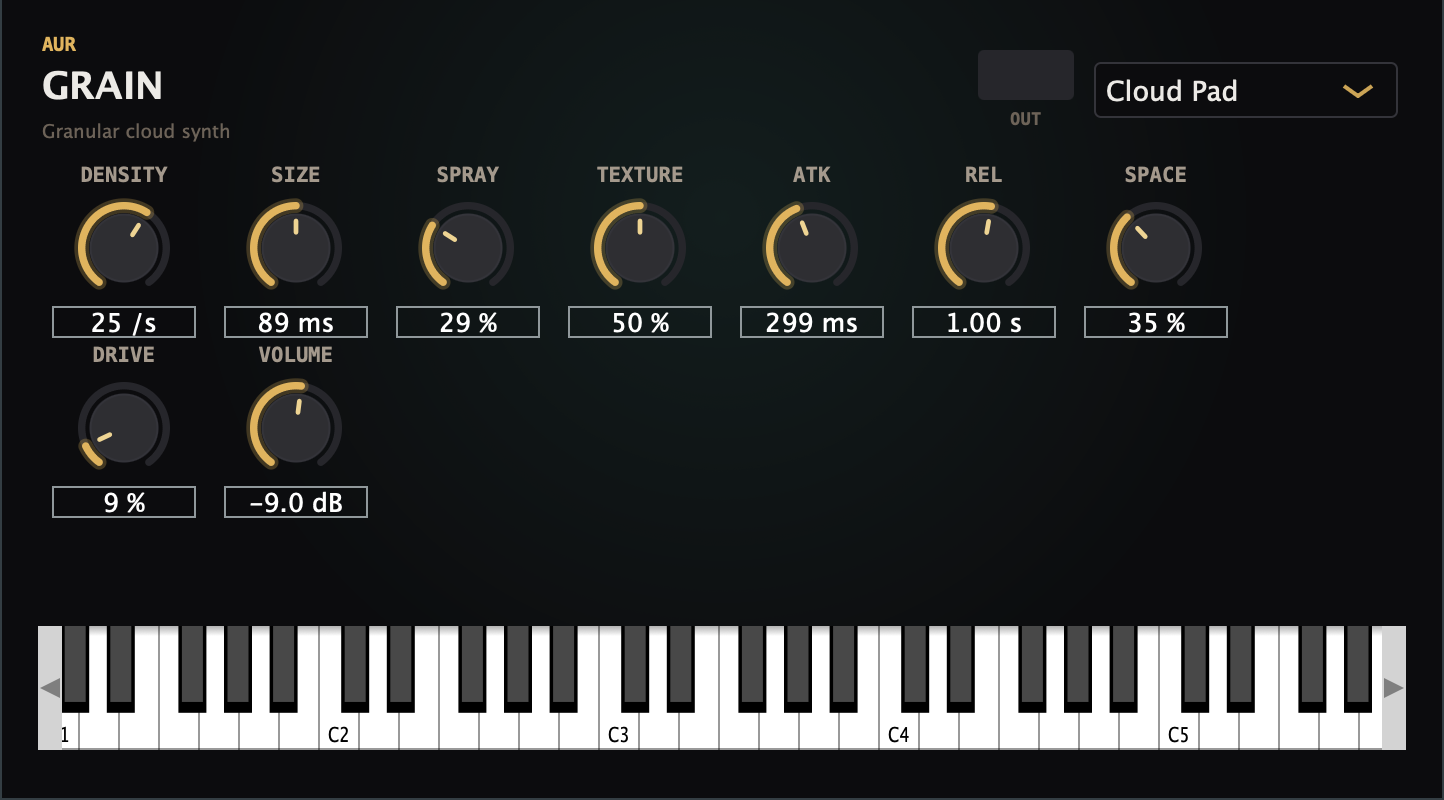
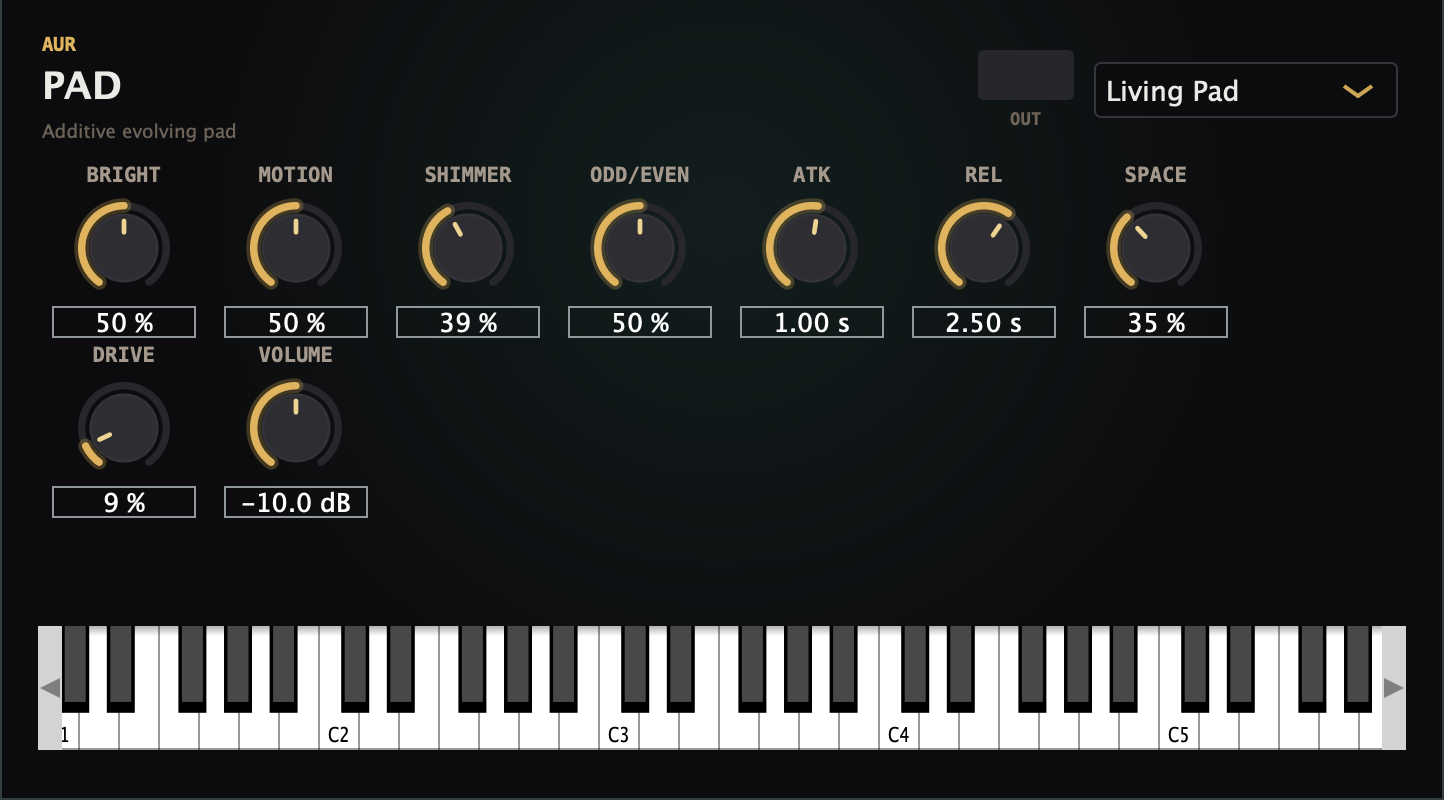
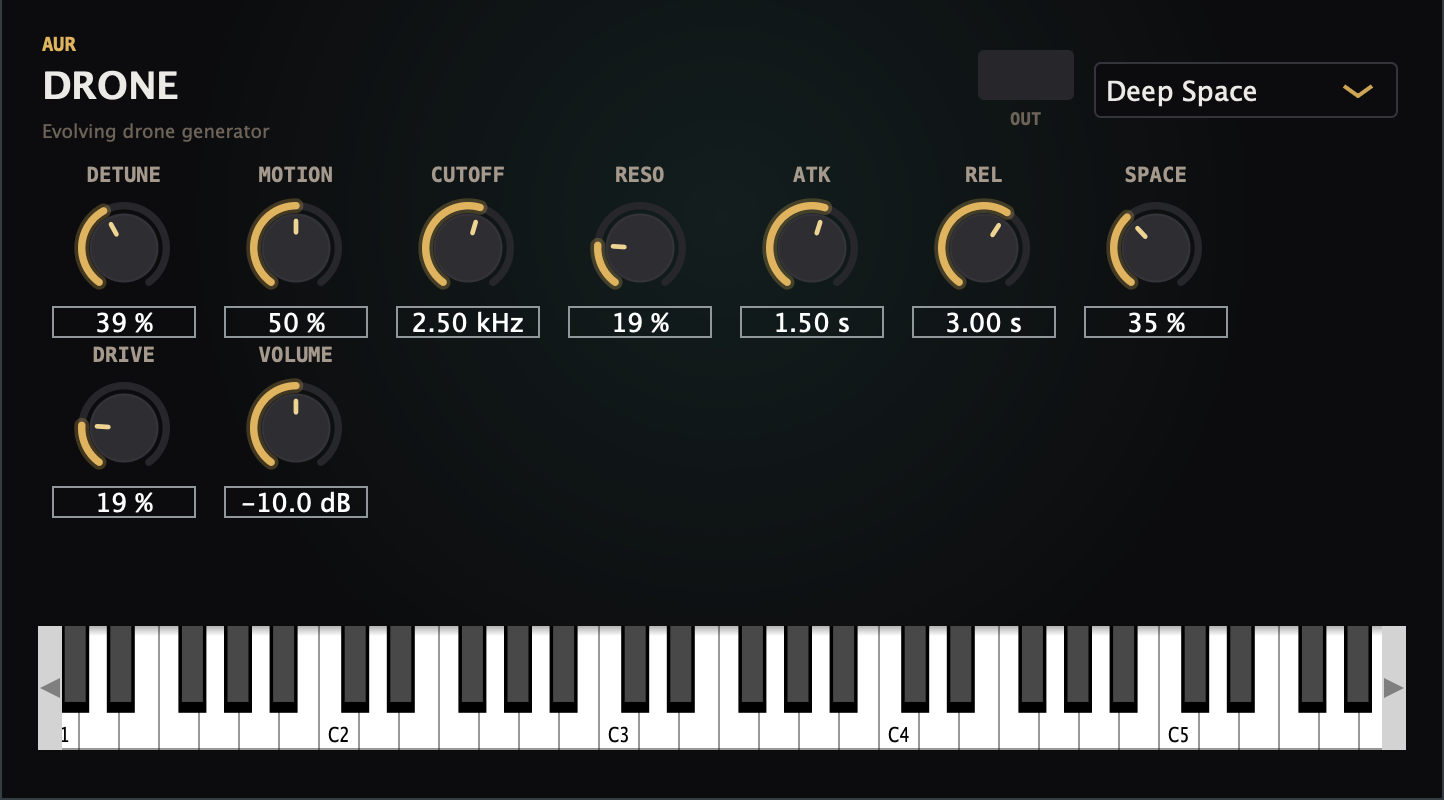
From flagships and wavetable synths to drones, organ, and physical modeling. This isn't one niche — it's almost a complete set of directions for sound design and production.
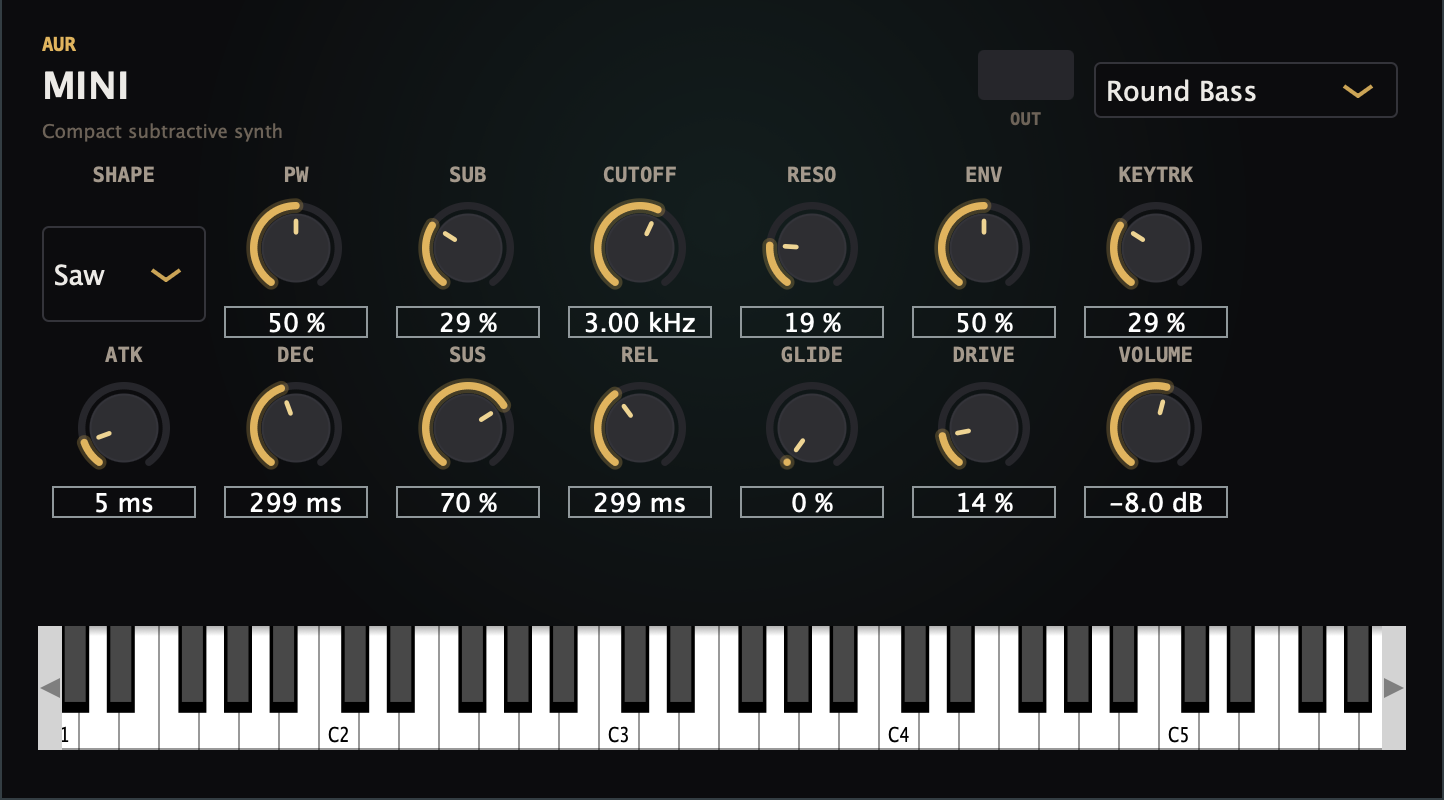
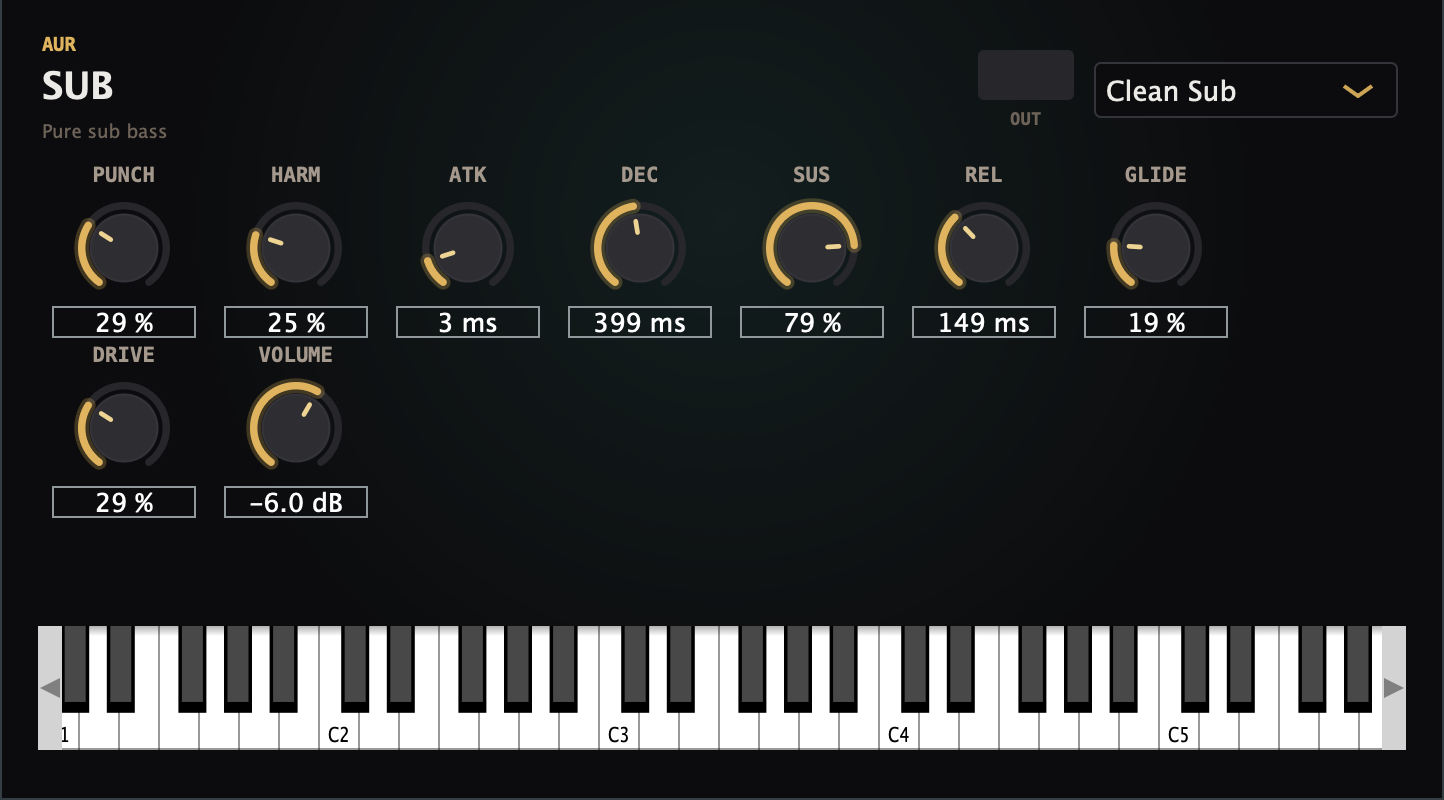
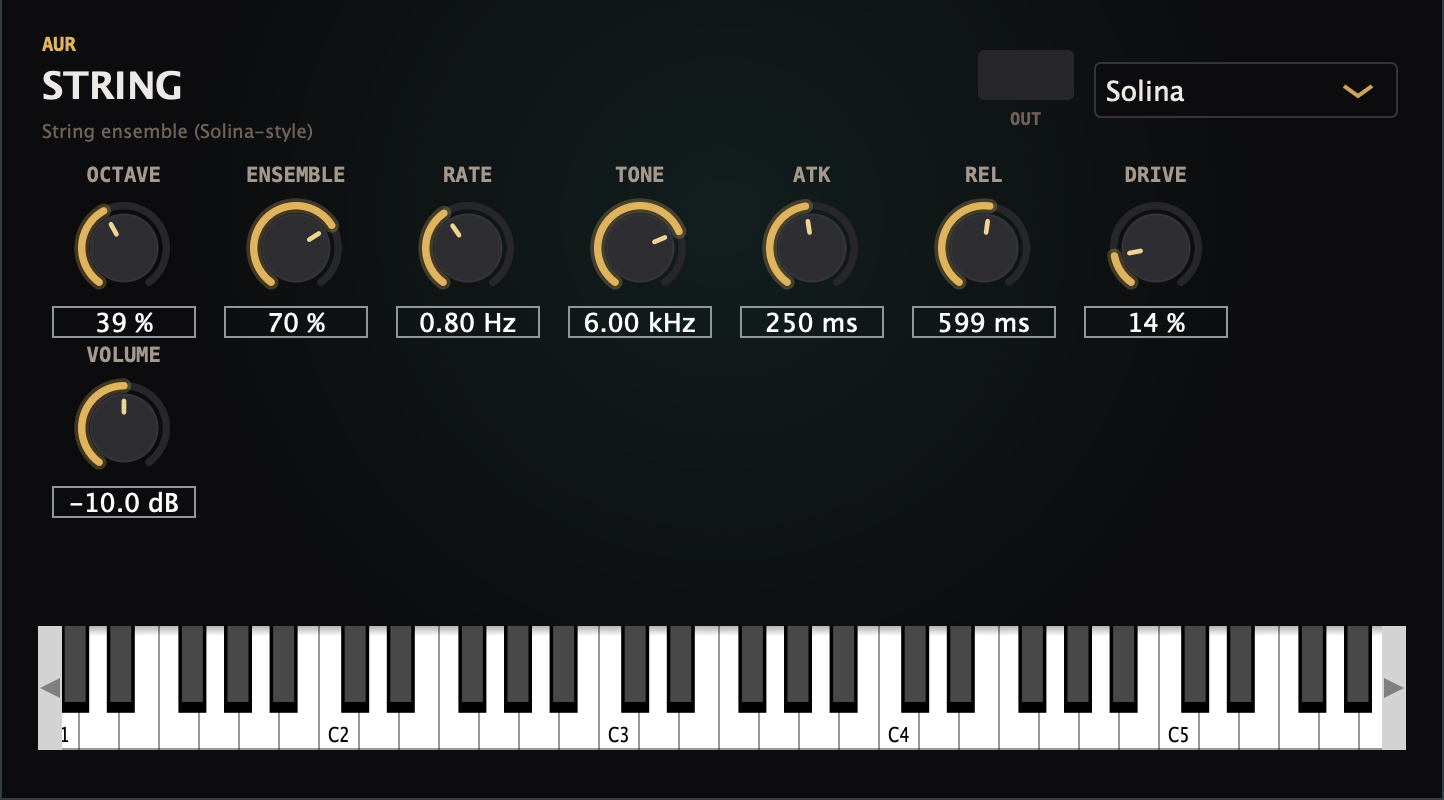
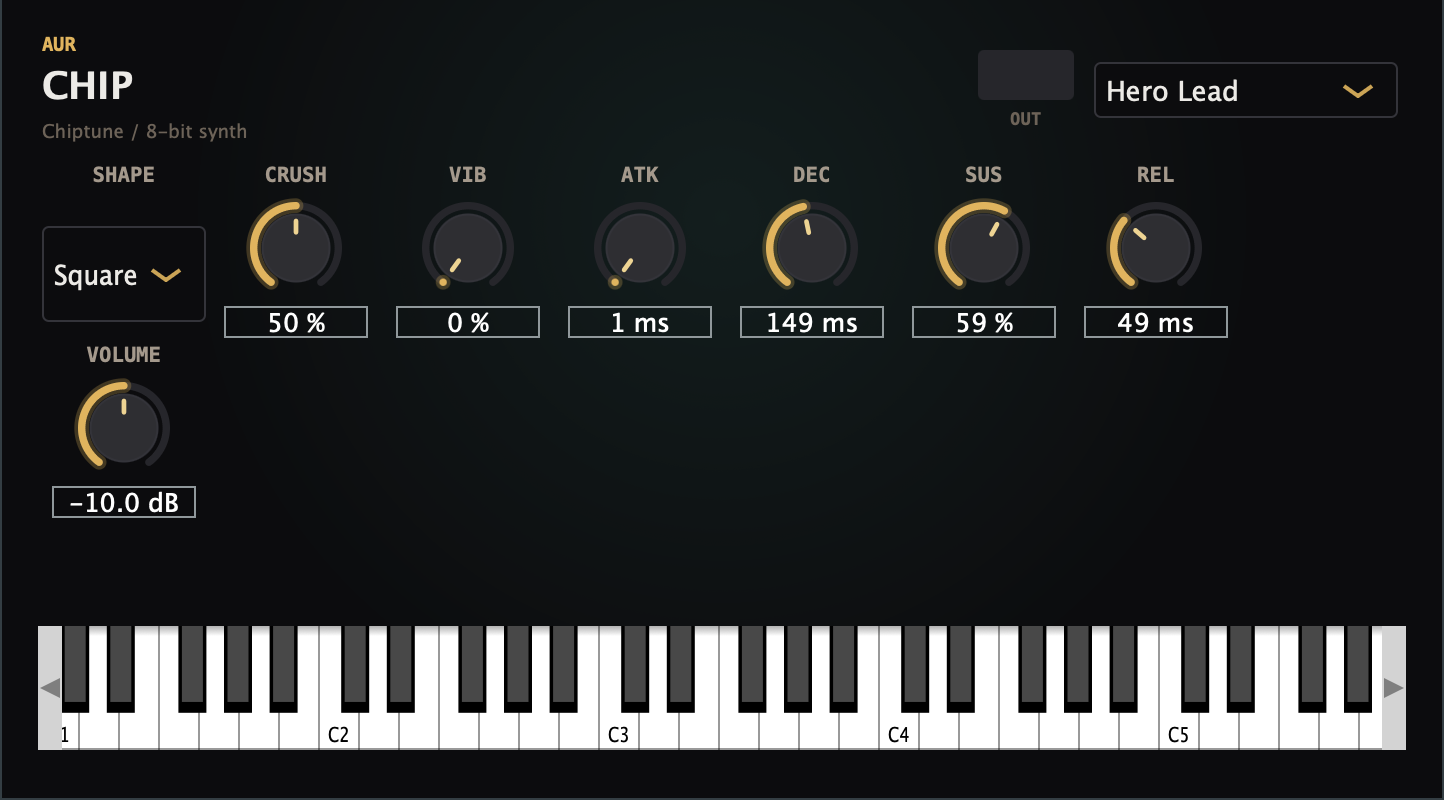
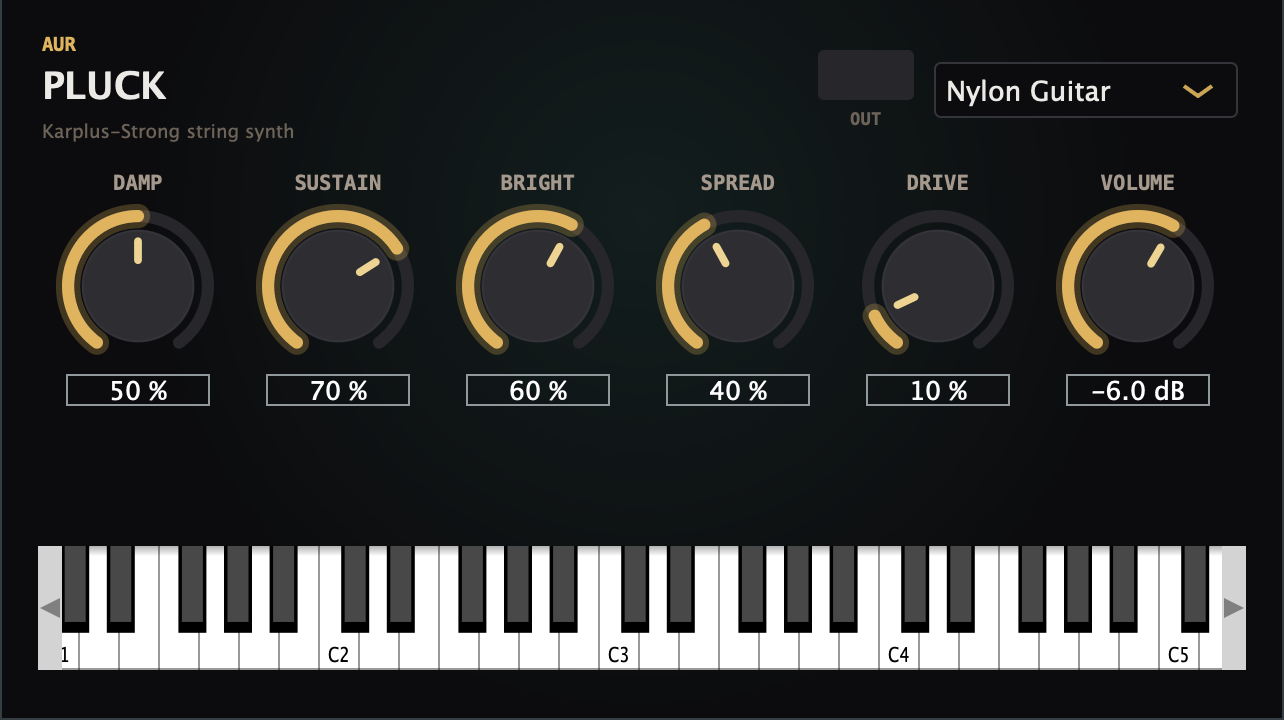
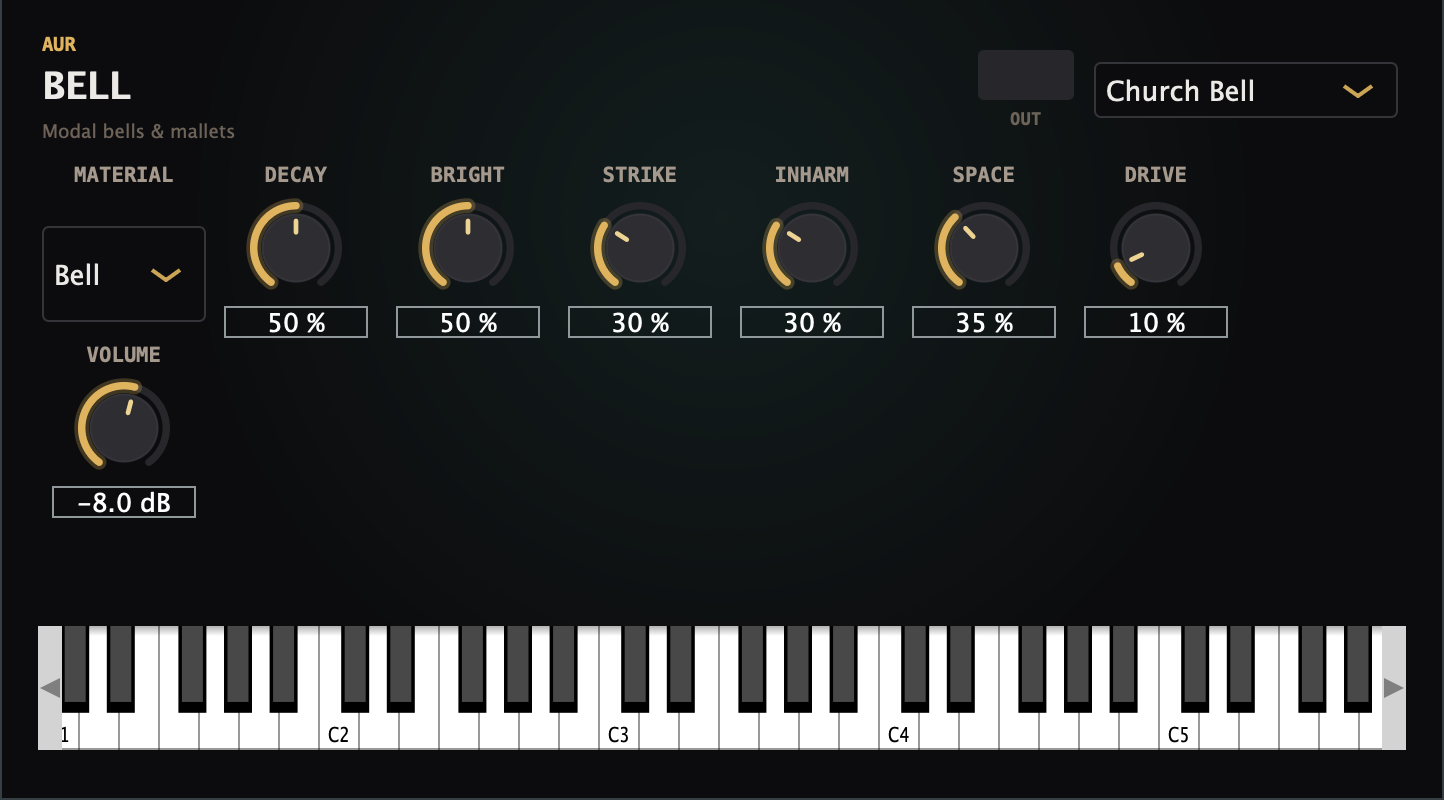
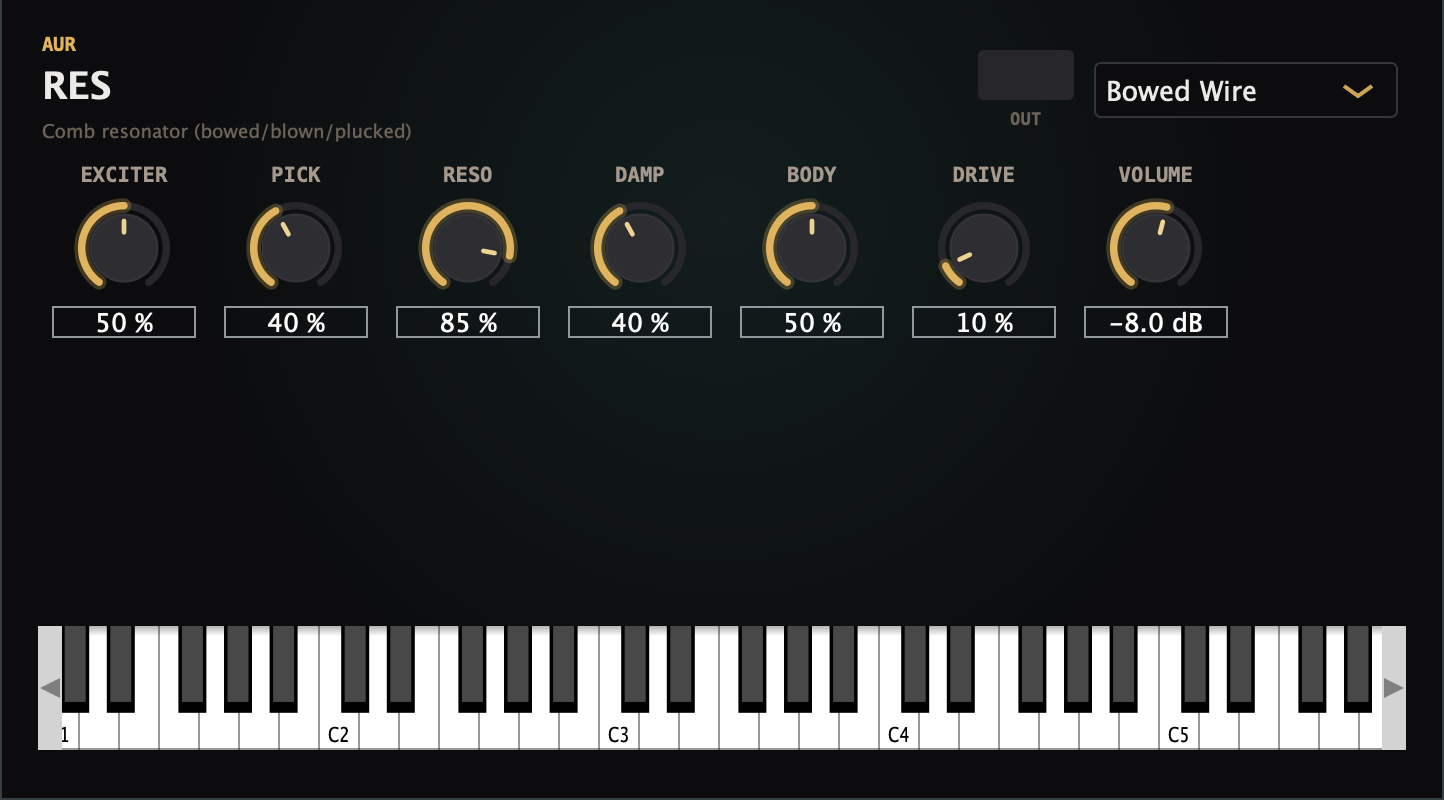
Compact subtractive synths, supersaw, sub, organ, string ensemble, and chip scenes cover the basic musical tasks without losing the overall AUR style.
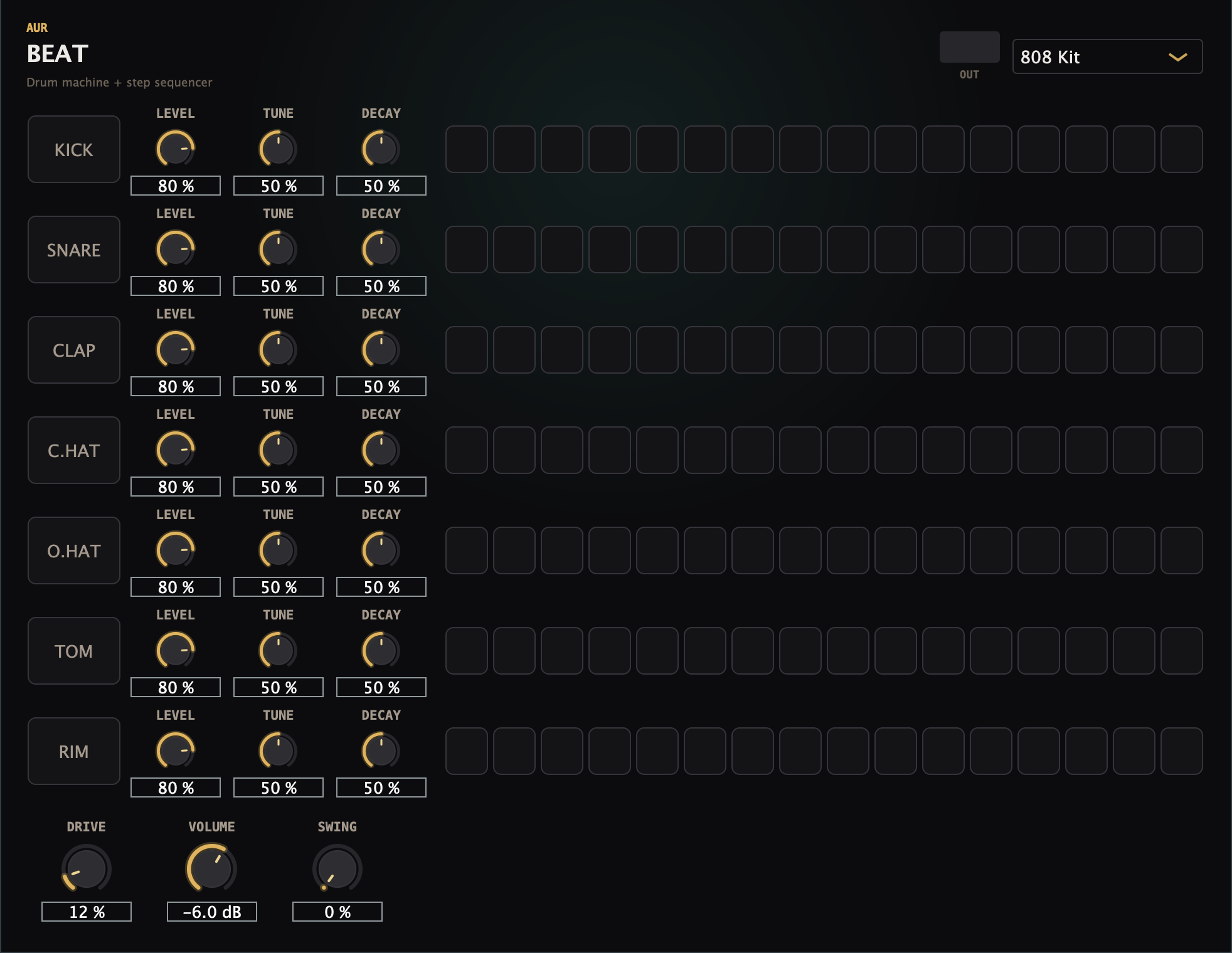
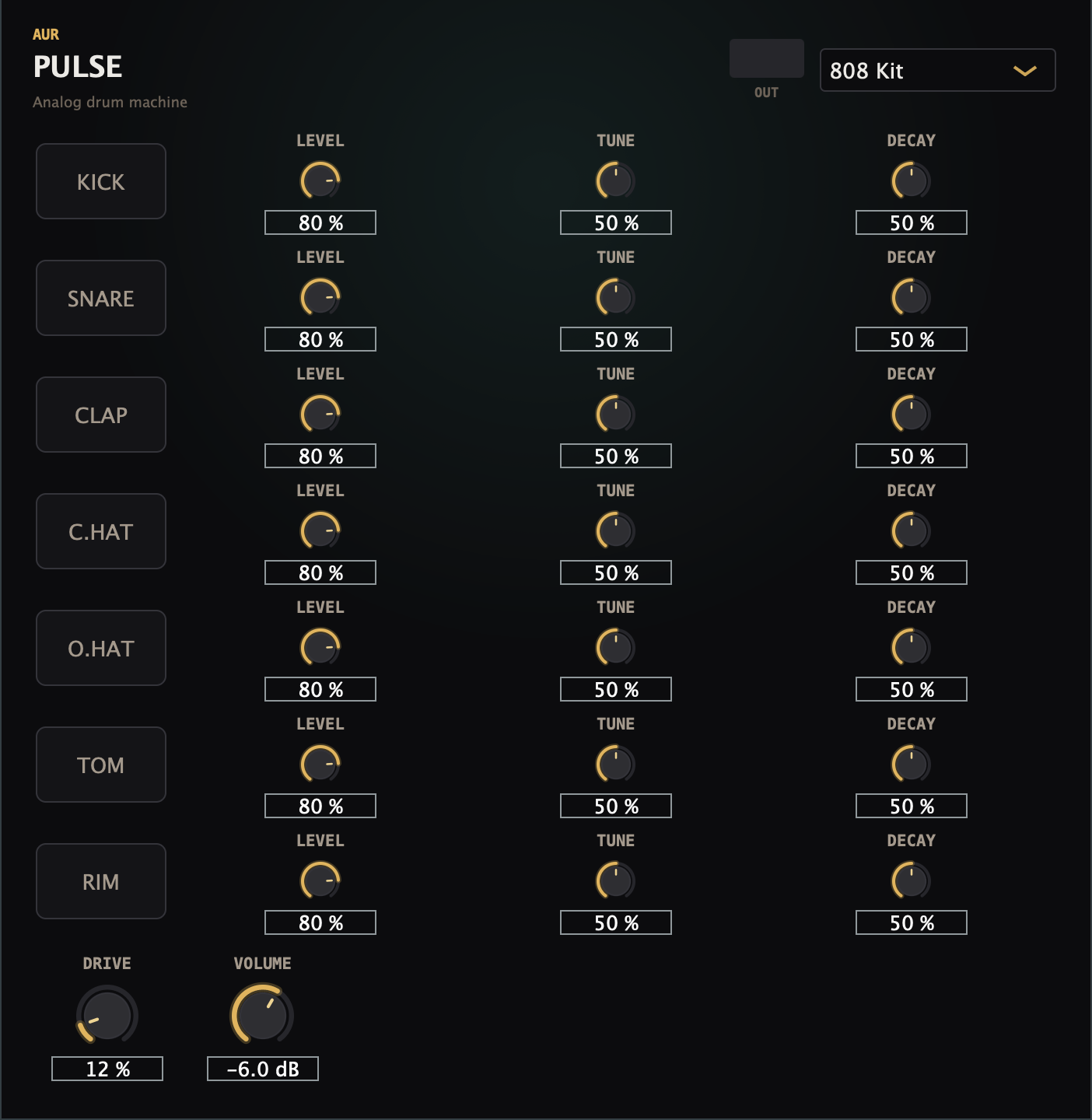
From a step drum sequencer to 808/909 logic and FM percussion. It's clear the lineup was built not as a showcase of effects, but as a broader musical toolkit.
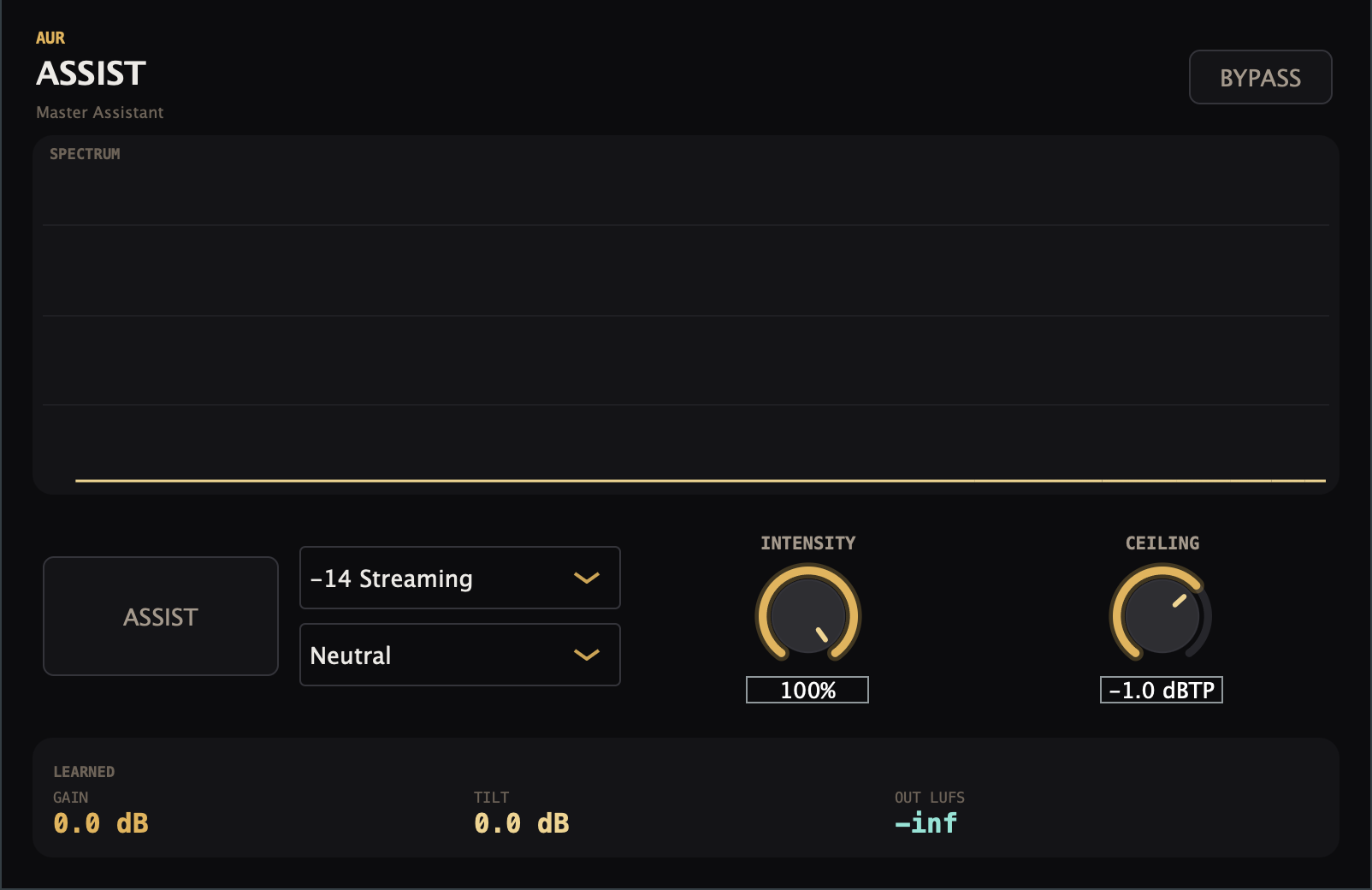
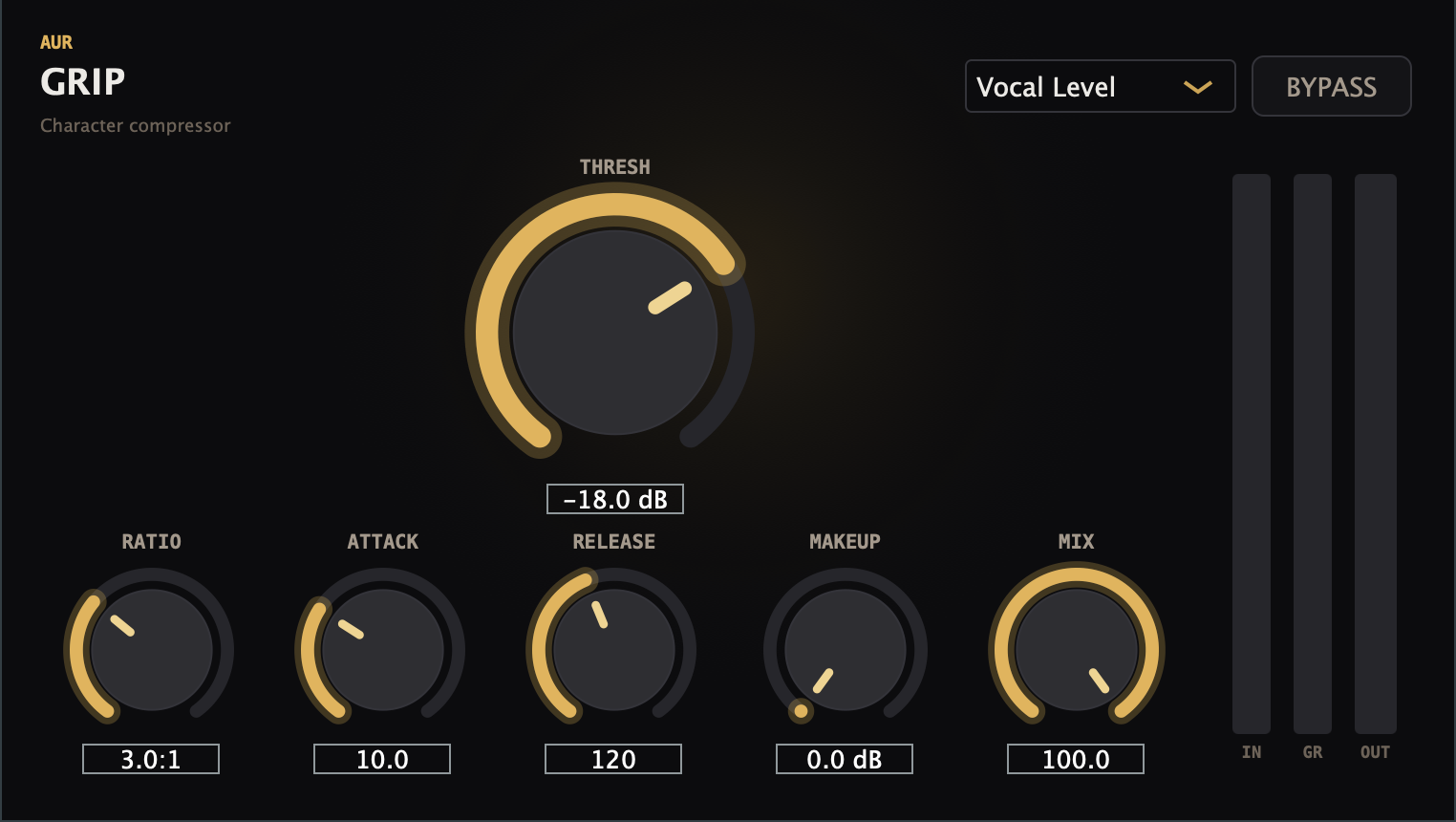
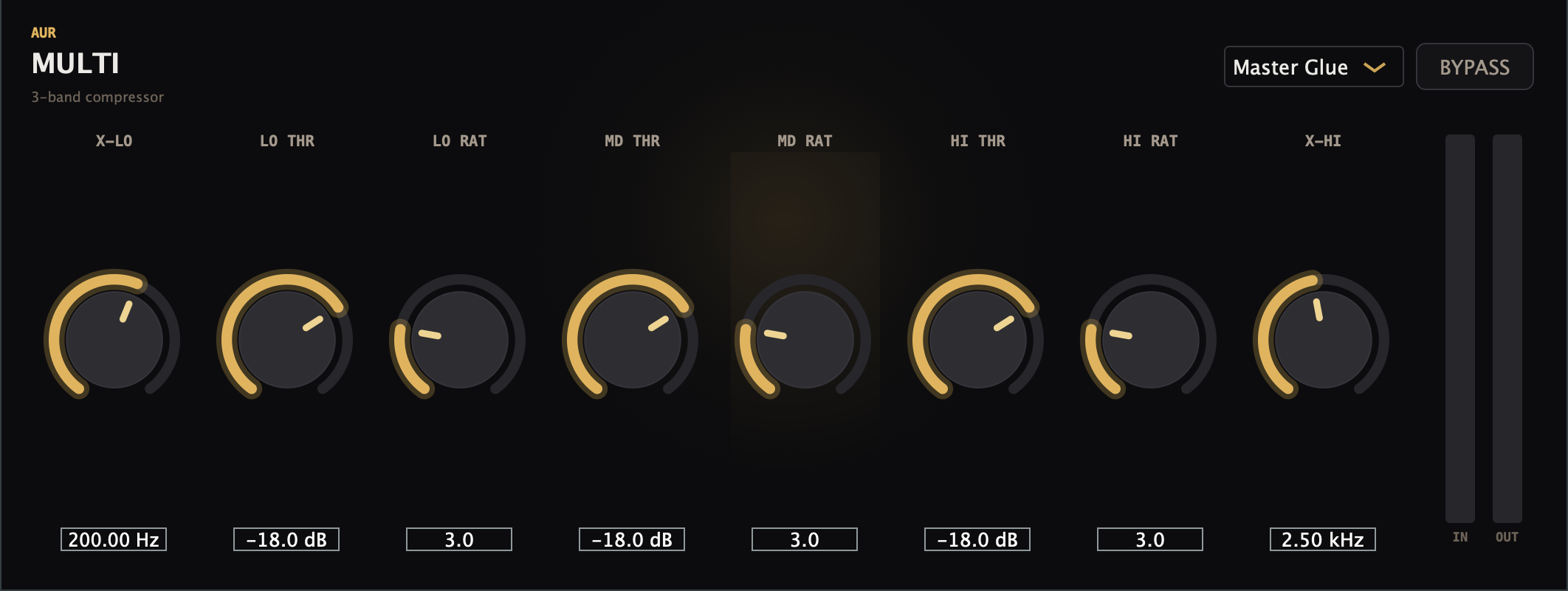
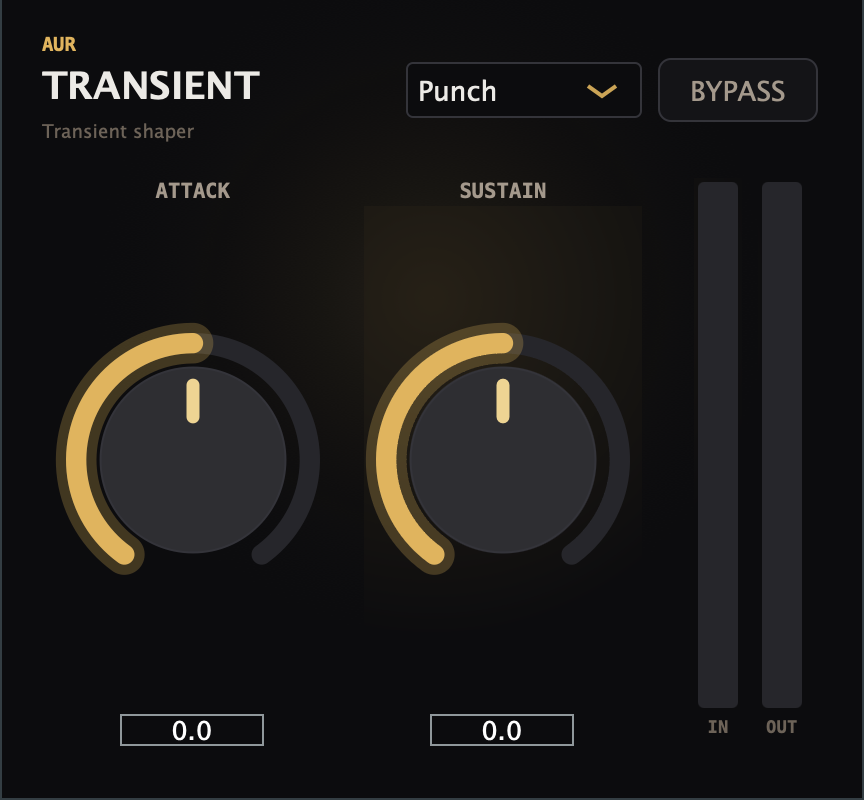
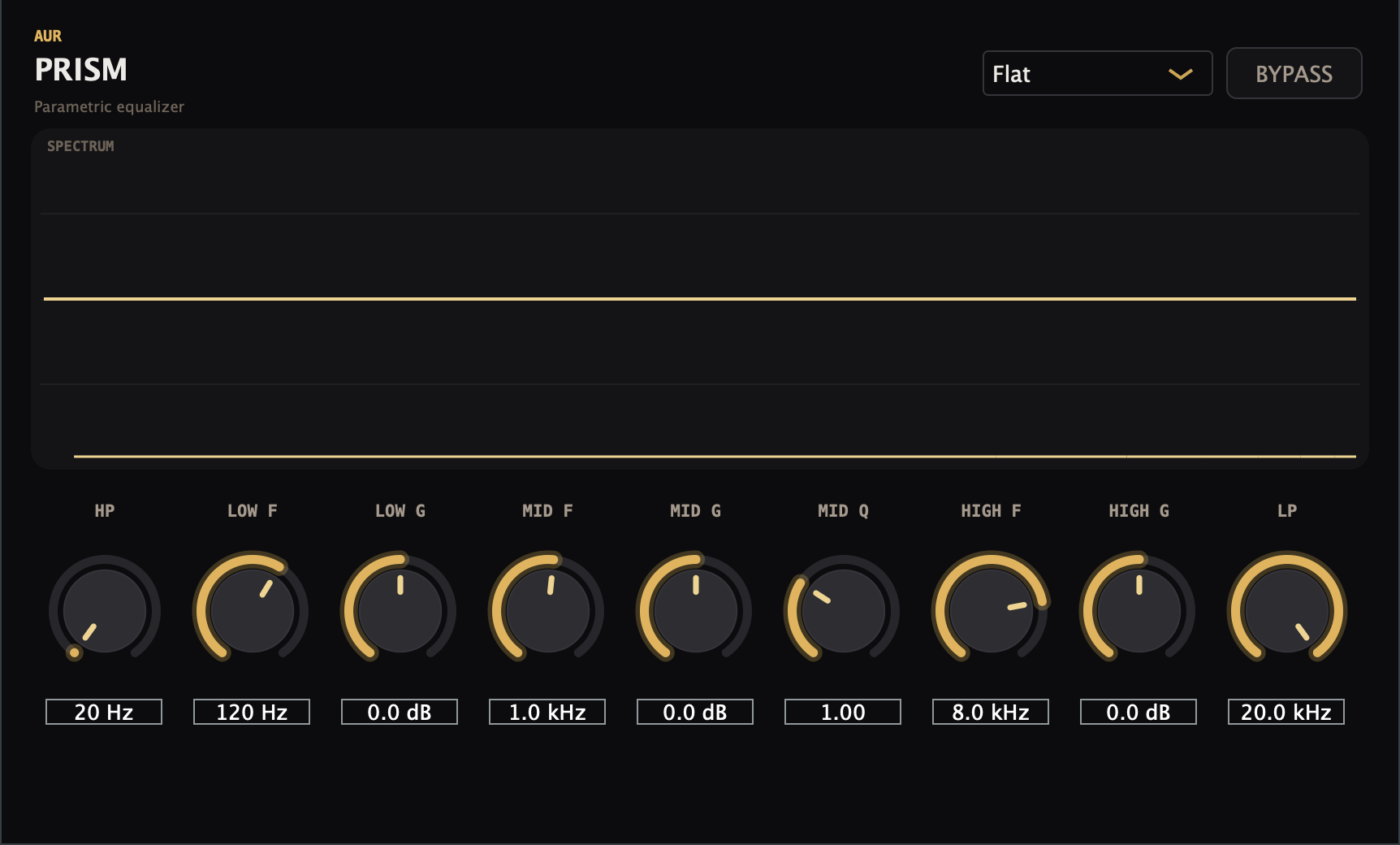
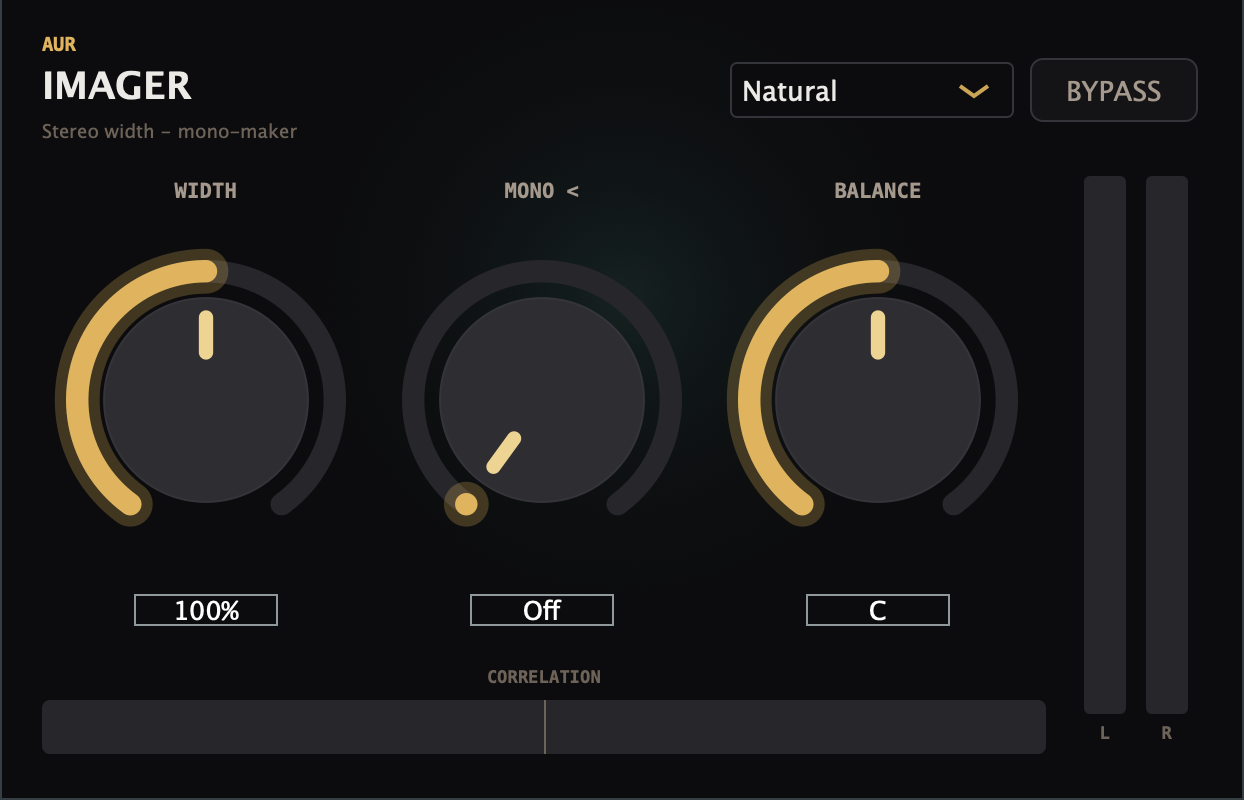
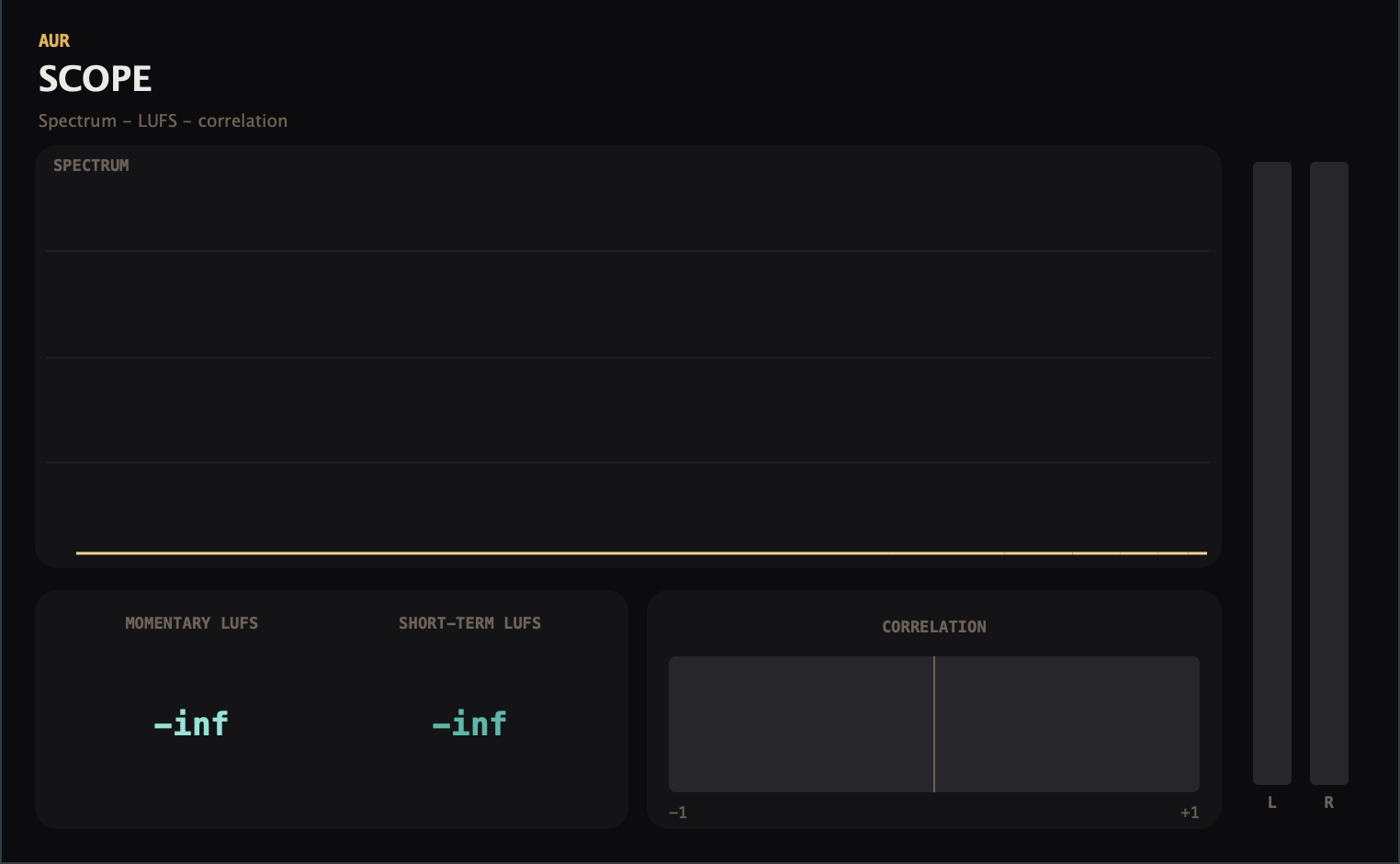
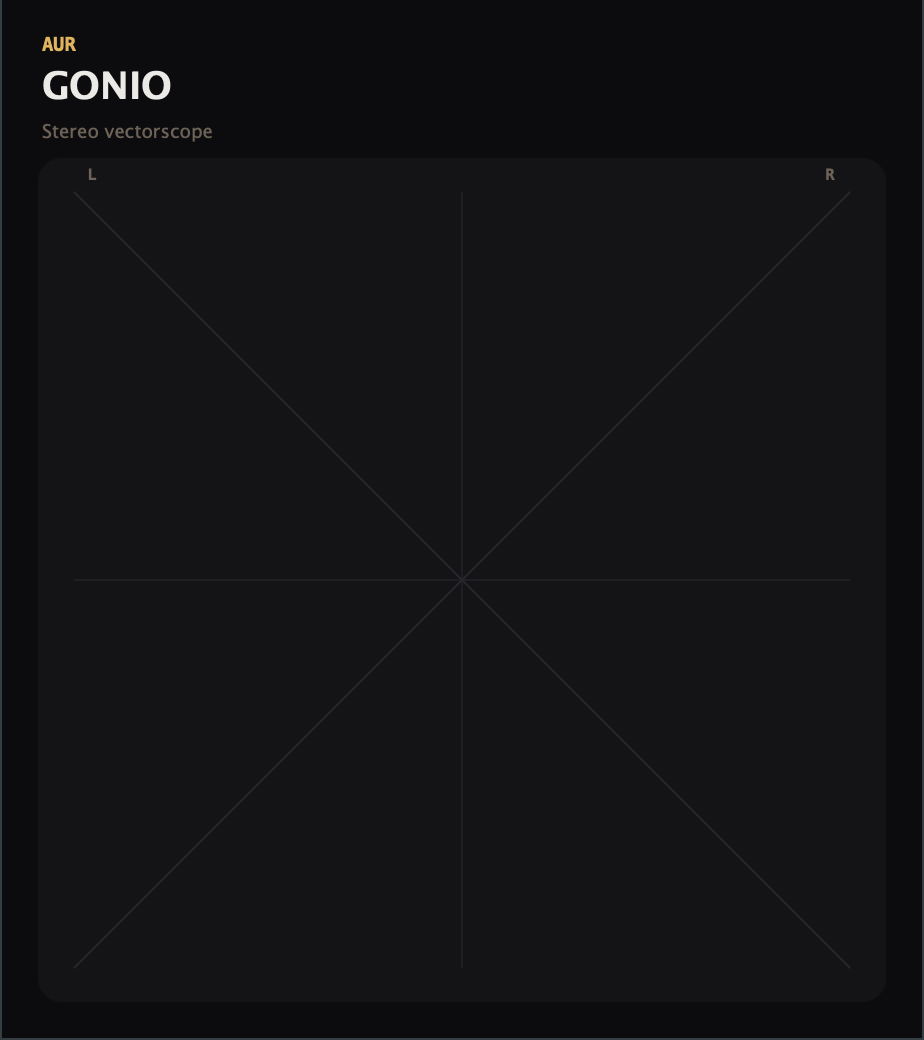
This is where the full engineering side lives: compression, limiting, transient shaping, EQ, convolution, imaging, restoration, and metering. In essence, AUR covers an entire production loop.
05 / proof
The README directly compares a plain `tanh` and ADAA1 on a loud 7 kHz sine, where energy below the fundamental reads as pure aliasing.
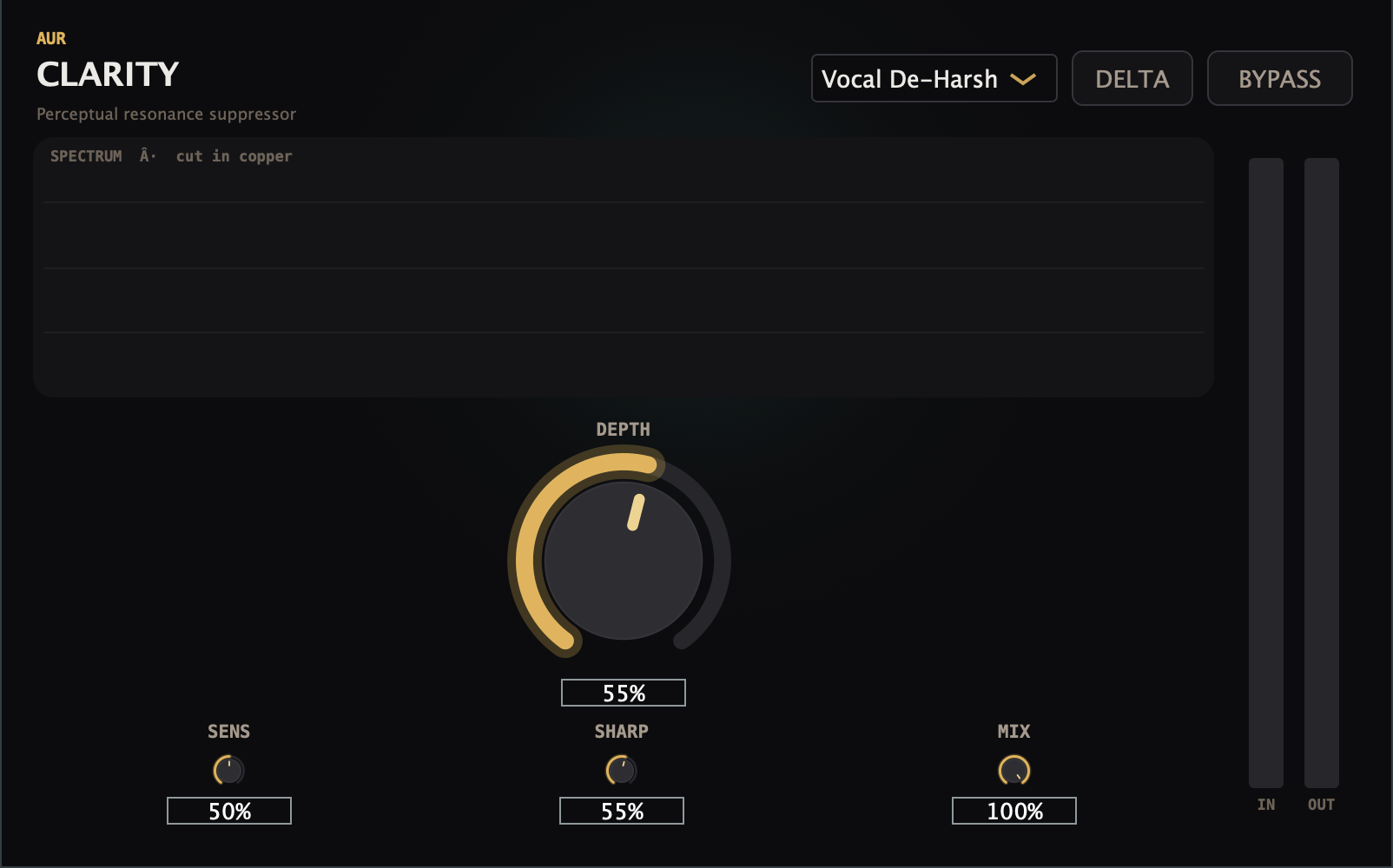
In the local description, CLARITY is presented as a perceptual resonance suppressor: FFT analysis, a Bark grid, and suppression only of the bands that genuinely stick out above the local spectral trend.
The project follows a strict engineering discipline: effects build as AU + VST3 + Standalone, instruments as AU MusicDevice + VST3 + Standalone, and the whole lineup targets both Apple Silicon and Intel.
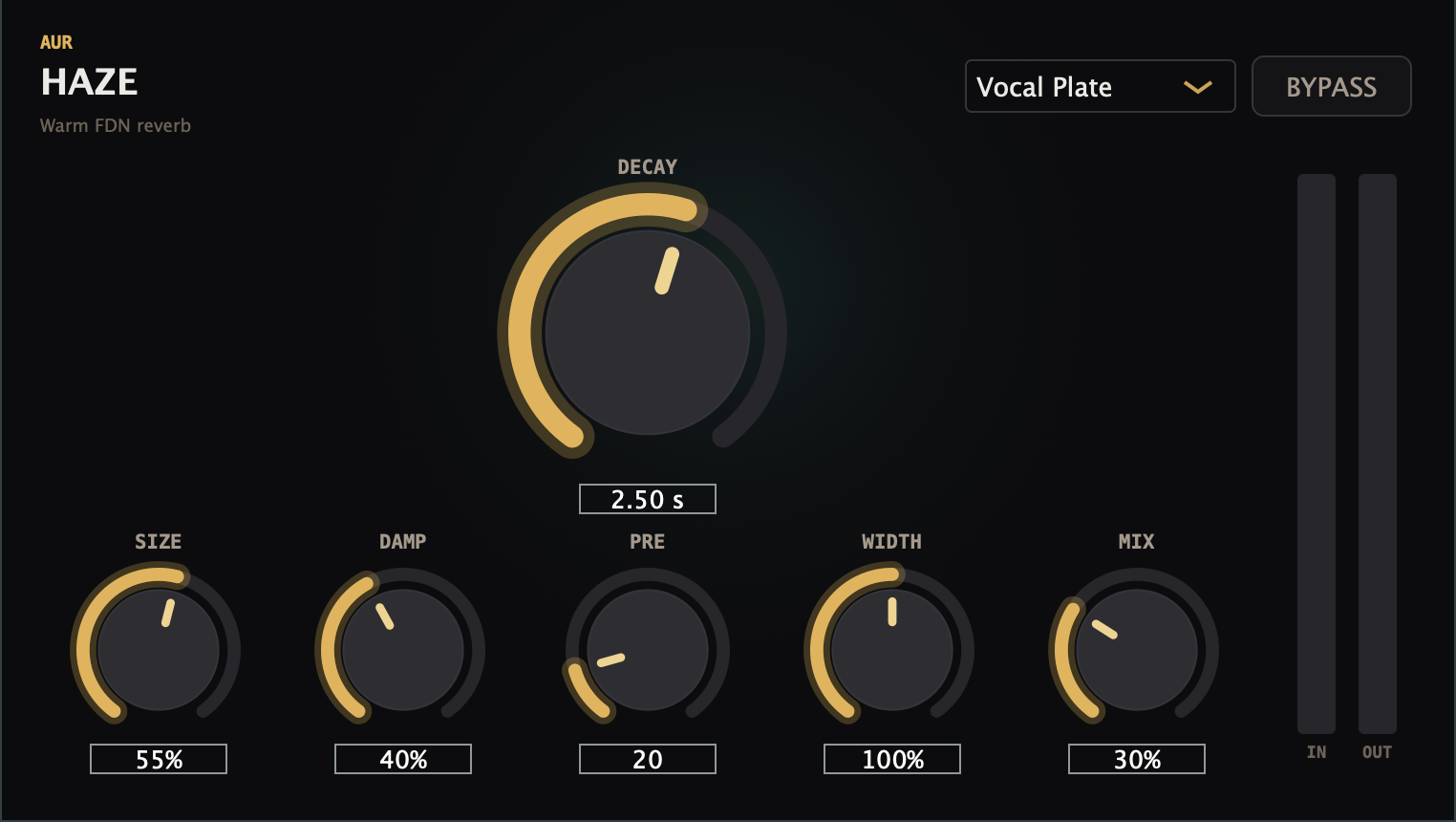
The project spells out its visual language explicitly: a molten-copper accent on a warm near-black background, with teal reserved only for precise readout elements like LUFS and true-peak.
06 / synthesizers



07 / basic instruments


08 / rhythm


09 / dynamics and mastering



10 / tone and space





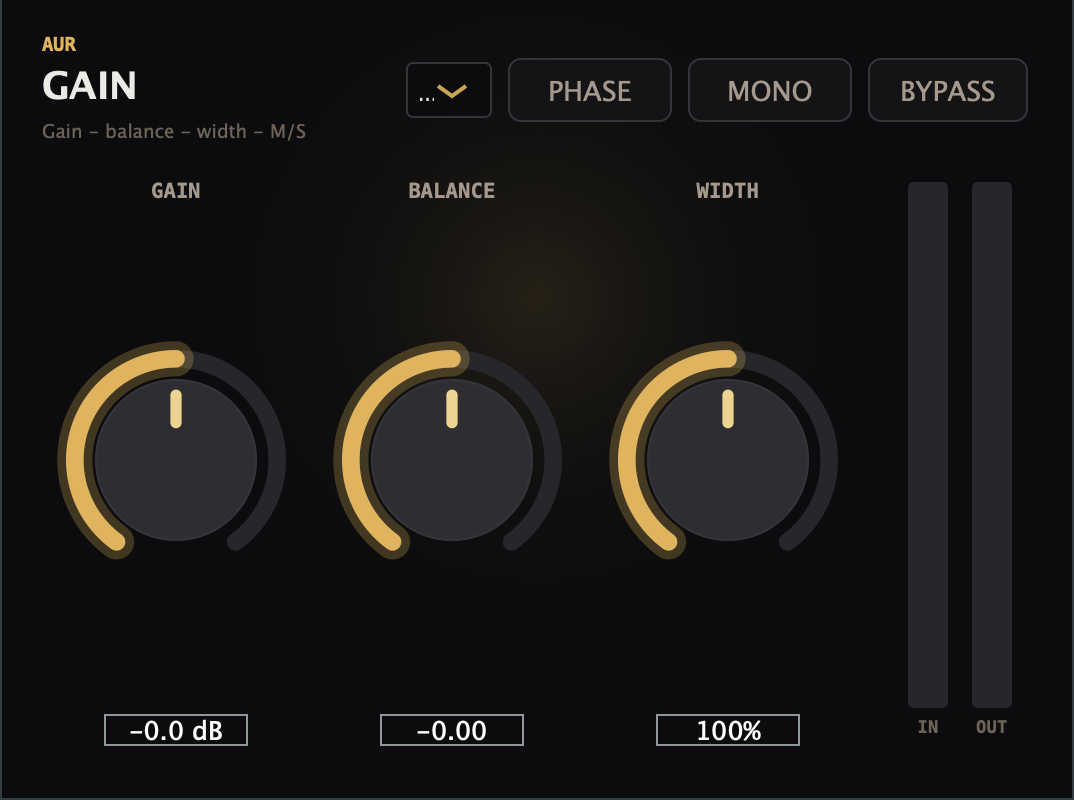
11 / modulation and creative fx
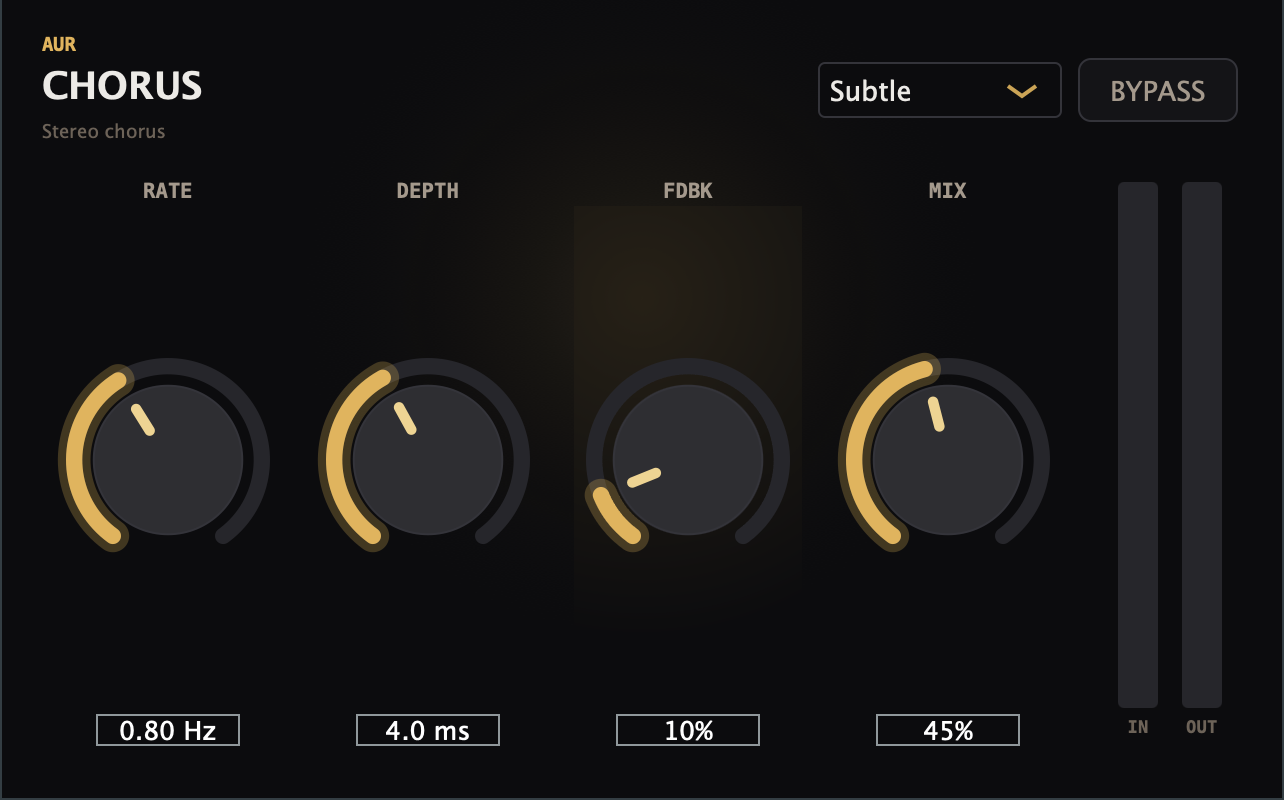


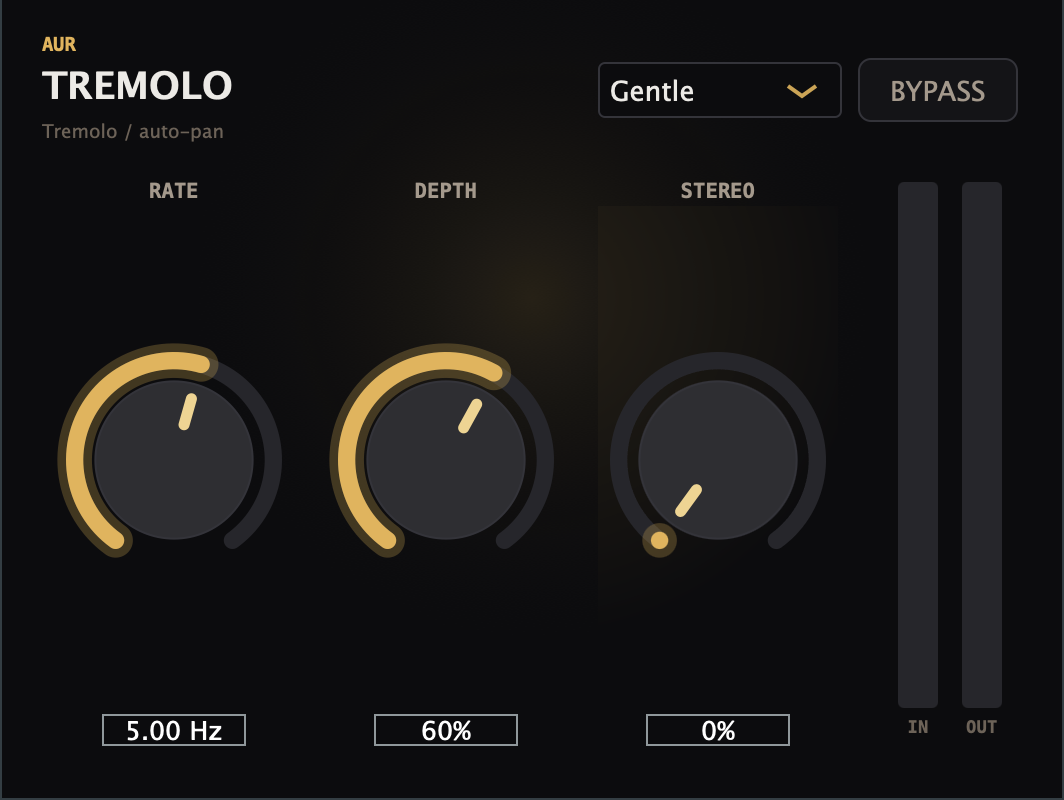
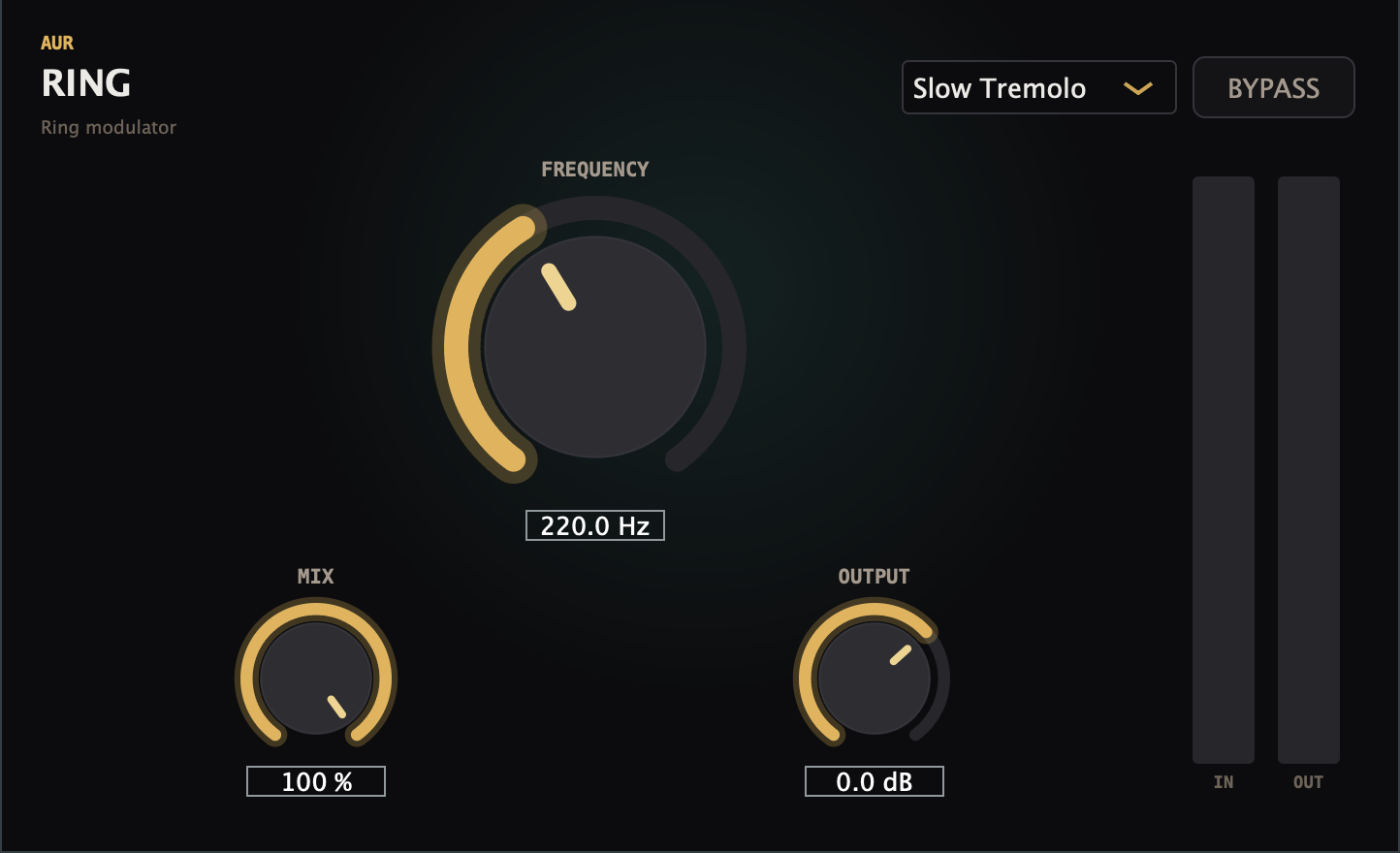

12 / restoration and metering



13 / links and files
14 / who it's for
AUR looks like a project for producers, sound designers, mix engineers, mastering engineers, electronic instrument makers, modular-logic enthusiasts, and anyone who values a systemic approach to DSP over a pretty facade alone.
15 / next projects
A music AI service: prepares tracks for release and helps work with MIDI. I dreamed it up and design it myself — about sound and a convenient interface at once.

A web app for reading Ayurveda in Russian: the «Ashtanga Hridaya Samhita» with chapter navigation and search. A large canonical text made comfortable to read.

A Telegram bot for tracking loans between friends: who owes whom, how much, and when to repay. Debts under control, friendships intact.
Atelier Real modular mannequin concept: faces, skin tones, construction and preliminary cost and revenue estimates with an interactive calculator.